
Squirrel Control in Cardiff
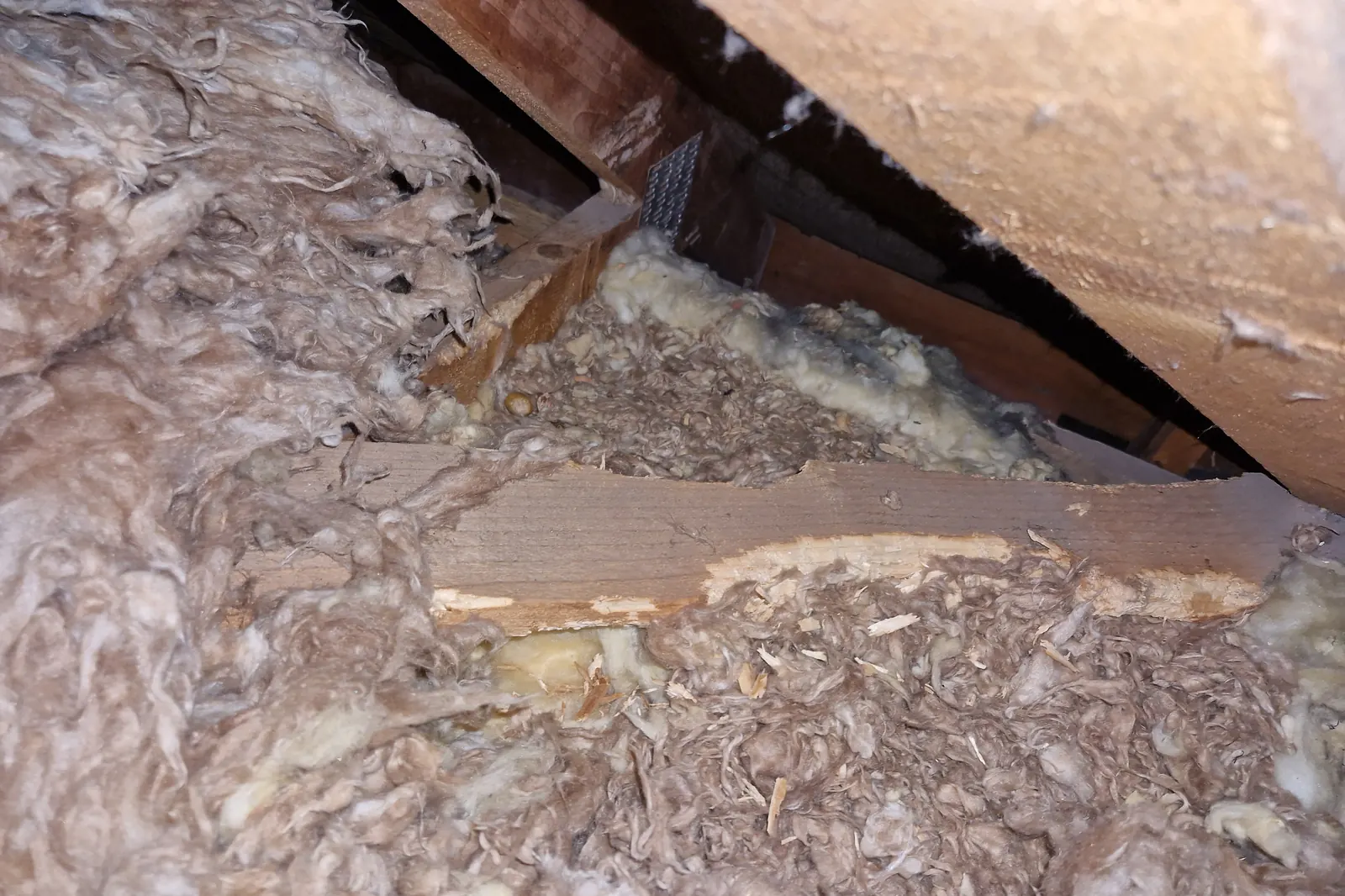
You tend to hear a squirrel before you find one, and the clock tells you what it is. Rats and mice work the night shift; squirrels commute. Heavy scampering across the loft at first light and again in the late afternoon is the classic squirrel timetable, along with gnawing, and damage to loft insulation, stored boxes, the timber itself (beams and rafters get chewed) and sometimes cabling.
Grey squirrels take readily to roof spaces, especially in the leafier suburbs backing onto woodland and parkland: Rhiwbina, Lisvane, Cyncoed, and up towards Thornhill and the Wenallt. They’re bigger and stronger than any other loft visitor, and left alone they’ll chew, nest and cause real damage. Hoping they move on rarely works; they’ve found somewhere warm and they know it.
The job at a glance
- Visits: set by the law on trap checks: daily checks by you, attended checks by us, or a monitored trap hired by the week.
- What happens: lawful trapping first, then the entry route is closed so the loft stays yours.
- Price: quoted per job with the figure confirmed by text before we set off.
Squirrel control in Cardiff: how the job runs
The work is trapping-led and typically takes two or more visits, and trapping isn’t just a preference. Rodenticides aren’t approved for squirrels, so poison simply isn’t a lawful route; and trapping means nothing ends up dying out of reach behind a wall or under the insulation. On the first visit, we confirm the activity and find the way in: a lifted tile, a gap at the eaves, a tired soffit, or a branch acting as a bridge onto the roof. Traps are set in the runs they’re actually using. The law requires squirrel traps to be checked daily, and there are three workable ways to run that: you check and call us when something’s caught, we attend daily (priced into the plan), or we fit a monitoring system we hire out by the week: a battery sensor on the trap signalling a receiver plugged in below, which tells us the moment a trap goes off. We’ll explain how it works and price the option when we quote. Follow-up visits check and clear the traps, and then comes the part that matters most: closing the entry points so the loft doesn’t simply pass to the next squirrel that finds the same gap. Gaps we can mesh, we’ll mesh; where the right fix is roofing work (a slipped tile, a soffit past its best) we’ll tell you exactly what to ask a roofer for.
There’s a legal point worth being straight about. The grey squirrel is a non-native species, and under wildlife law a trapped grey cannot be released back into the wild. The job is done humanely and entirely within the rules, and we’ll explain exactly how it works when we visit. No surprises, no euphemisms.
Discretion as standard: unmarked vehicle, no branded signage.
What it costs
Squirrel jobs are priced on the plan: trapping is typically two or more visits depending on how established they are, and the daily-check arrangement you choose shapes it too. We’ll walk the job on the first look, set out the full picture, and confirm the price by text before we attend. The quote itself costs nothing.
Common questions about squirrels
Is the scratching in my loft squirrels or rats?
Listen to the clock. Daytime activity (especially early morning and late afternoon) points to squirrels; scratching after the house goes dark points to rats or mice. Squirrels are also markedly louder: more of a gallop than a scuttle. A short video with sound is often all we need to call it.
Can’t the squirrel just be released somewhere else?
No. The law doesn’t allow a trapped grey squirrel to be released back into the wild, because it’s a non-native species. The job is done humanely and within the rules, and we’ll talk you through it plainly before anything is set.
How are they getting into the roof?
Usually a lifted or slipped tile, a gap at the eaves or soffit, or along an overhanging branch. Finding and closing that route once the loft is clear is the half of the job that keeps it solved.
What damage do squirrels actually do?
Chewed beams and rafters, shredded insulation, raided storage, and occasionally gnawed cables, which is the one that turns a nuisance into a hazard. Squirrels damage the structure itself, not just the clutter, and the longer they’re established, the more of it you’ll find.
How quickly can you come out?
We aim to attend within two working days, often sooner, and we’ll tell you honestly on the phone when we can realistically get to you.
Related: rodent control in Cardiff · rat problems · other loft visitors: cluster flies
Something heavy in the loft?
If it’s daytime scampering, it’s likely squirrels. Call and we’ll talk it through, or send us a video with the sound on.
Call us on 07307 190055