
Rat Control in Cardiff
Rats give themselves away before you ever see one. Scratching or scurrying in the walls and ceilings after dark. Dark, tapered droppings along a skirting board or in the cupboard under the sink. Gnaw marks on packaging, woodwork and cables, and sometimes a stale, musky smell that lingers no matter how much you clean. Outdoors, it’s burrows beside the shed, runs worn into the grass, and droppings around the compost or bird feeder.
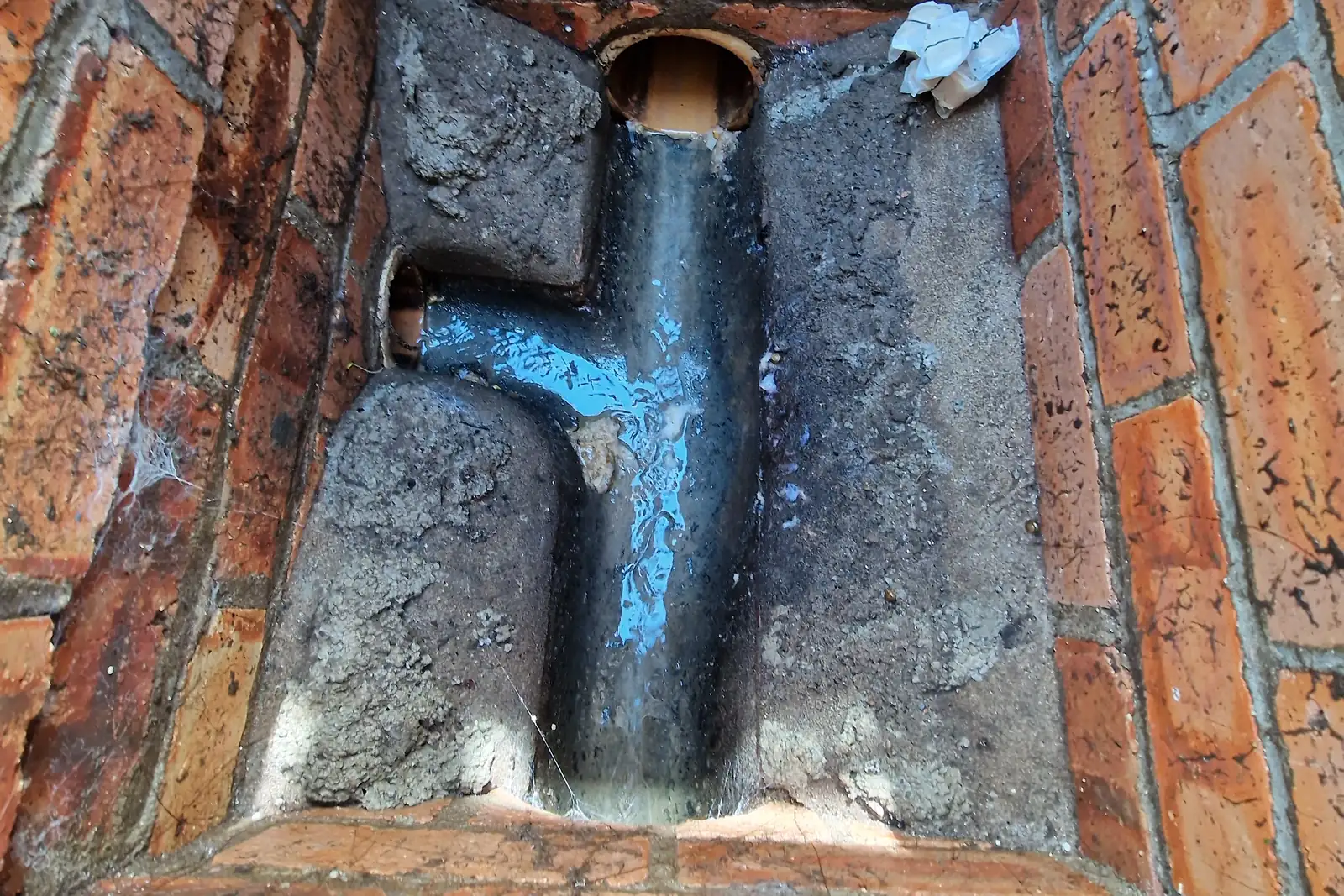
In older Cardiff housing (the Victorian terraces of Canton, Grangetown and Roath especially) the route in is very often a damaged drain rather than a hole in the wall. That matters, because it changes what the job actually is. In plain terms: a rat problem is a detective job before it’s a treatment job. Get the diagnosis right and the job has a proper end; get it wrong and you’re baiting or trapping with no end in sight.
The old trade name for this work is “rat catcher”, and honestly, it still fits. The catching is the easy half. The skill is working out how they got in.
The job at a glance
- Visits: a minimum of three, often more; rat work is iterative and we say so up front.
- Timing: we aim to attend within two working days, often sooner, and the follow-ups are paced by what the evidence shows.
- What happens: detection baits and tracing find the routes in, traps lead the control, and the entry points get closed one by one.
- Price: quoted per job and confirmed by text before we set off; quotes are free.
How we actually get rid of rats
Rat work is investigation, and we won’t pretend otherwise. The job is a minimum of three visits, often more, because it works by eliminating possible routes in, one by one, until the evidence stops. The easy rat job with one obvious hole does exist. It’s the outlier.
The first visit confirms it’s rats and maps every plausible way in. We’ll set non-toxic detection baits at the suspect points (down the drains, up in the loft) and sometimes lay a UV tracing gel around them, so a torch on the next visit shows exactly which routes are being run. Sometimes it really is as simple as the redundant dishwasher pipe nobody capped when the kitchen moved.
The follow-ups read that evidence and act on it. Trapping starts where the routes point. The proofing we can do ourselves (anti-gnaw mesh, wire, gap-filling) gets done; where the real fix is a builder’s or drainage job, we’ll specify exactly what’s needed and point you to people we trust. Where drains are suspected, we’ll recommend a CCTV survey from a drainage firm that knows rat activity when it sees it. Sometimes we’ll ask for decking to come up before we’ll call a garden clear: better thorough than optimistic. And where a route stays hidden, trapping continues while we keep narrowing it down.
Why trapping, not poison? We rarely use rodenticide for rats, and in most homes we’ll actively advise against it. A poisoned rat doesn’t leave politely. It dies wherever it happens to be, often deep in a wall cavity, and the smell that follows is genuinely horrendous. Nobody wants a hole cut in their wall to retrieve a carcass. Trapping keeps the outcome where we can collect it. On the rare job where rodenticide truly earns its place, it goes in sealed, tamper-resistant stations. We’re certified in the Safe Use of Rodenticides, and trained to reach for it last, not first.
One pattern worth knowing, because it’s astonishingly common in Cardiff: extensions built over unused drains. The old run gets forgotten rather than capped, rats find it, and from there they’ll burrow the few metres to a wall cavity (through concrete, given time). If your problem started after an extension went up, yours or next door’s, say so on the phone. It changes where we look first.
Discretion as standard: we arrive in an unmarked vehicle with no branded uniform or signage.
What rat control in Cardiff costs
Rat work is priced around the visits it takes (a minimum of three, often more on established problems), so the quote covers the first visit and the likely follow-ups, not just a foot in the door. We’ll give you a clear picture after the first inspection, keep the plan in front of you visit by visit, and confirm every price by text before we attend. There’s no charge for the quote itself. If a drain camera survey is needed, the drainage firm quotes that separately, and we’ll tell you before anything is arranged.
Be wary of anyone quoting a single cut-price visit for rats. One visit can knock the numbers down; it can’t find the entry points, proof them shut and prove the job’s done. It’s the proofing that stops you paying again in six months.
Common questions about rats
How much does pest control cost for rats?
There’s no set menu for rat work. The cost depends on how established the rats are, how they’re getting in, and the number of visits that takes, with three as the working minimum. We’ll set out the full picture and the likely cost after the first inspection, with the quote confirmed by text before we attend. Quotes are free.
Why does it take at least three visits?
Because rat work is elimination, not a bait-and-go job. Each visit reads the evidence the last one set up (detection baits, tracing gel, trap results) and rules routes in or out until the way in is found and shut. Three visits is the honest minimum; established problems with hidden routes take more, and we’ll say so as we go rather than pretend otherwise.
Could the rats be coming from the drains?
Very often, yes, particularly in older properties with original clay drainage, and wherever an extension has been built over an unused drain run. If the evidence points that way, we’ll advise a CCTV survey by a drainage firm we trust, so the fix goes where the rats really get in. Our guide to rats in drains explains how the route is found and who fixes which pipe.
Do you use poison for rats?
Rarely, and in most homes we’ll advise against it. A poisoned rat usually dies out of reach in a cavity, and the smell is something nobody should live with. Trapping keeps the outcome collectable. Where rodenticide genuinely is the right call, it goes in sealed, tamper-resistant stations a dog or child can’t get into, with every placement shown to you.
I’ve seen a rat in the garden. Will it end up indoors?
Not necessarily, but gardens are where house problems start: compost, bird food and cover attract them, and from the garden the building is only a short step away. It’s worth dealing with while it’s still an outdoor problem. A garden job is usually a smaller, simpler one than an indoor equivalent.
Related: rodent control in Cardiff · dealing with mice · the signs of rats guide · rat or mouse? how to tell · pest contracts for premises
Think you’ve got rats?
Call us and we’ll talk through what you’re seeing and hearing, or WhatsApp a photo of the droppings. We can usually tell you what you’re dealing with from that alone.
Call us on 07307 190055